
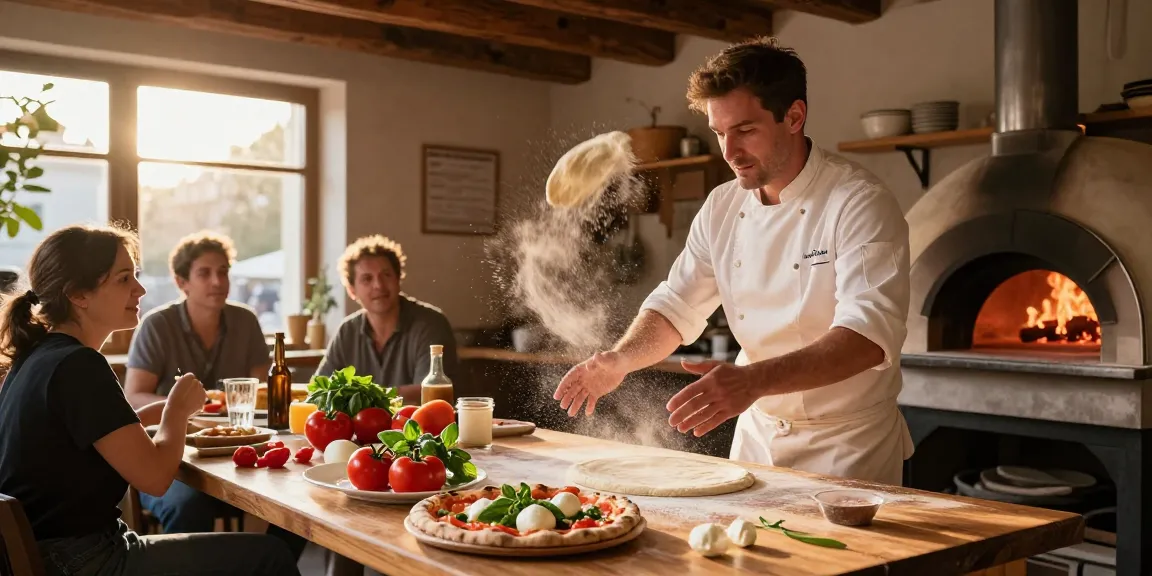
Understanding pg soft in Italian Culinary Culture
Italian cuisine is renowned for its rich flavors, regional diversity, and an emphasis on fresh, high-quality ingredients. Central to this culinary tradition is the concept of „pg soft,“ a term that refers to the nuances in texture and flavor profile of various Italian dishes. This article delves into the essence of Italian food and the significance of pg soft, exploring its roots, key characteristics, and the art of crafting authentic Italian cuisine.
What Makes Italian Food Unique?
Italian food is celebrated worldwide for its simplicity and depth of flavor. Key characteristics include:
- Regional Diversity: Each region in Italy offers unique dishes based on local ingredients, traditions, and climatic conditions.
- Quality Ingredients: The use of fresh, high-quality ingredients is paramount, often sourced from local markets and farms.
- Tradition and Innovation: While Italian cuisine is steeped in tradition, chefs continually innovate, blending classic recipes with contemporary twists.
History and Evolution of Italian Cuisine
The roots of Italian cuisine can be traced back to ancient civilizations, including the Etruscans and Romans. Over centuries, influences from various cultures, such as the Arabs, Normans, and Greeks, have further enriched the culinary landscape. The Renaissance period marked a significant evolution, leading to the refinement of cooking techniques and the establishment of regional specialties. This historical backdrop sets the stage for understanding the role of pg soft in traditional Italian dishes.
Role of pg soft in Traditional Italian Dishes
pg soft is integral to the texture and flavor of many Italian dishes. It encapsulates the delicate balance between softness and richness, enhancing the dining experience. For instance, the perfect risotto achieves pg soft by creating a creamy texture without being overly heavy. When exploring options, pg soft provides comprehensive insights into how this balance is achieved in various meals.
Key Ingredients of pg soft in Pizza Making
Importance of Fresh Ingredients
Fresh ingredients are the cornerstone of Italian cooking, especially when it comes to pizza. The use of seasonal produce, high-quality cheeses, and carefully sourced meats and seafood contribute to the overall flavor profile. For example, San Marzano tomatoes are favored for their sweetness and low acidity, creating a vibrant sauce that embodies the essence of Italian pizza.
How Flour Types Affect Pizza Quality
The type of flour used in pizza making plays a crucial role in achieving the desired texture and taste. High-protein flours, such as „00“ flour, are preferred for their ability to create a light and airy crust. This flour type allows for optimal gluten development, which is essential for achieving that signature chewy yet soft bite.
Choosing the Right Cheese and Toppings
Mozzarella di bufala, made from water buffalo milk, is the gold standard for authentic Italian pizza. Its creamy texture and rich flavor contribute significantly to the pizza’s overall profile. Toppings should complement this creamy base, with options ranging from classic Margherita to more elaborate combinations featuring seasonal vegetables and cured meats.
The Art of Crafting Authentic Pizza
Step-by-Step Process of Making Italian Pizza
Creating authentic Italian pizza is an art form that involves several key steps:
- Dough Preparation: Combine flour, water, yeast, and salt to form a soft dough, which should be left to rise until it doubles in size.
- Shaping the Pizza: Gently stretch the dough into a round shape, ensuring a thicker border for the crust.
- Adding Sauce and Toppings: Spread a thin layer of sauce and add cheese and toppings.
- Baking: Cook the pizza at a high temperature, preferably in a wood-fired oven, for a crispy result.
Tips for Achieving the Perfect Crust
To achieve a perfect crust, consider the following tips:
- Use a pizza stone to replicate the conditions of a traditional oven.
- Preheat the oven thoroughly to ensure even cooking.
- Don’t overload the pizza with toppings, as this can make the crust soggy.
Oven Types and Their Impact on Flavor
The type of oven used for baking pizza significantly impacts its flavor and texture. Wood-fired ovens, with their high temperatures, impart a unique smoky flavor and create a beautifully blistered crust. Conversely, modern gas or electric ovens may not reach the same temperatures but can still deliver excellent results with the right techniques.
Pairing pg soft with Italian Traditions
Wine and Pizza Pairing Tips
Wine pairing is an essential aspect of Italian dining. When considering white pizza, for example, a crisp Pinot Grigio complements the flavors beautifully, while a full-bodied Chianti pairs excellently with tomato-based pizzas. Understanding the intricacies of wine pairing can elevate a meal, enhancing the subtle flavors of both the food and beverage.
Exploring Antipasti and Dessert Combinations
Antipasti are crucial for setting the stage for an authentic Italian meal. A selection of cured meats, cheeses, and marinated vegetables offers a delightful introduction. For dessert, traditional options like Tiramisu or Panna Cotta provide a sweet finale, perfectly balancing the dining experience.
Enhancing the Dining Experience with Aperitivos
Aperitivos serve as a delightful pre-meal ritual in Italy, enhancing the overall dining experience. Classic choices like Aperol Spritz or Negroni stimulate the appetite, preparing diners for the meal ahead. Incorporating this tradition can elevate any dining occasion, lending an air of authenticity and celebration.
Future Trends in Italian Cuisine for 2026
Healthier Versions of Traditional Dishes
As diners become more health-conscious, there is a growing trend toward healthier adaptations of traditional Italian dishes. Chefs are exploring alternatives, such as whole-grain pizzas and using more vegetables, without sacrificing flavor.
Adapting Recipes to Global Tastes
Italian cuisine is experiencing global influences as chefs draw inspiration from various cultures. This fusion can lead to innovative dishes that reflect a blend of flavors, catering to diverse palates while maintaining an Italian essence.
Sustainability in Italian Dining Practices
In the coming years, an emphasis on sustainability will shape Italian dining practices. Chefs and restaurants are increasingly focusing on locally sourced ingredients, reducing waste, and promoting eco-friendly practices. This shift not only benefits the environment but also enhances the quality and freshness of the dishes served.
What is pg soft and why is it important?
pg soft is a term that encapsulates the delicate balance of texture and flavor found in many Italian dishes, contributing significantly to the overall dining experience. Understanding its importance can help both chefs and diners appreciate the intricacies of Italian cuisine.
How can I improve my pizza-making skills?
To enhance your pizza-making skills, focus on mastering dough techniques, experimenting with different flour types, and understanding the importance of high-quality ingredients. Practice is key, along with gaining feedback from family and friends.
What are the best wine pairings for Italian food?
Wine pairings depend largely on the dish. For instance, rich red sauces pair well with medium to full-bodied reds, while lighter sauces often complement white wines. Experimenting will lead you to discover your personal preferences.
How do I select fresh ingredients for authentic cooking?
Selecting fresh ingredients involves visiting local markets, understanding seasonal offerings, and prioritizing quality over convenience. Look for vibrant colors and natural scents, which are indicators of freshness.
What trends should I look for in Italian cuisine in 2026?
Expect to see healthier adaptations, global influences on traditional recipes, and a strong focus on sustainability in Italian dining. Keeping an eye on these trends will allow you to stay ahead in the evolving culinary landscape.
