Understanding Common Toilet Problems
Identifying Frequent Issues
Toilets are one of the most used fixtures in any home, leading to a variety of complications over time. Among the most common issues are:
- Running Toilet: This occurs when the toilet does not stop running after a flush due to a faulty flapper, fill valve, or flush valve.
- Clogs: Toilets often get clogged from excessive toilet paper or foreign objects. Such blockages can lead to overflow and slow drainage.
- Leaks: A leaking toilet can waste a significant amount of water, often caused by a worn-out seal or crack in the tank or bowl.
- Weak Flush: If the toilet does not flush effectively, it may be due to a weak trap seal or a problem with the lift chain.
Causes of Toilet Malfunctions
Toilet malfunctions can arise from several reasons, including:
- Age: Old toilets may have worn-out components that require replacement.
- Improper Installation: Incorrectly installed toilets can lead to leakage and flushing issues.
- Backflow Issues: Debris or mineral buildup can cause blockages or backflow in the toilet system.
Troubleshooting Tips for Homeowners
Before calling a plumber for toilet repair, homeowners can troubleshoot the issues themselves. This includes:
- Checking the float height, ensuring it is set correctly to avoid overfilling the tank.
- Inspecting the flapper for wear or obstructions.
- Using a plunger to remove clogs effectively.
- Listening for hissing sounds that may indicate leaks or failing valve components.
Tools Needed for Toilet Repair
Essential Plumbing Tools
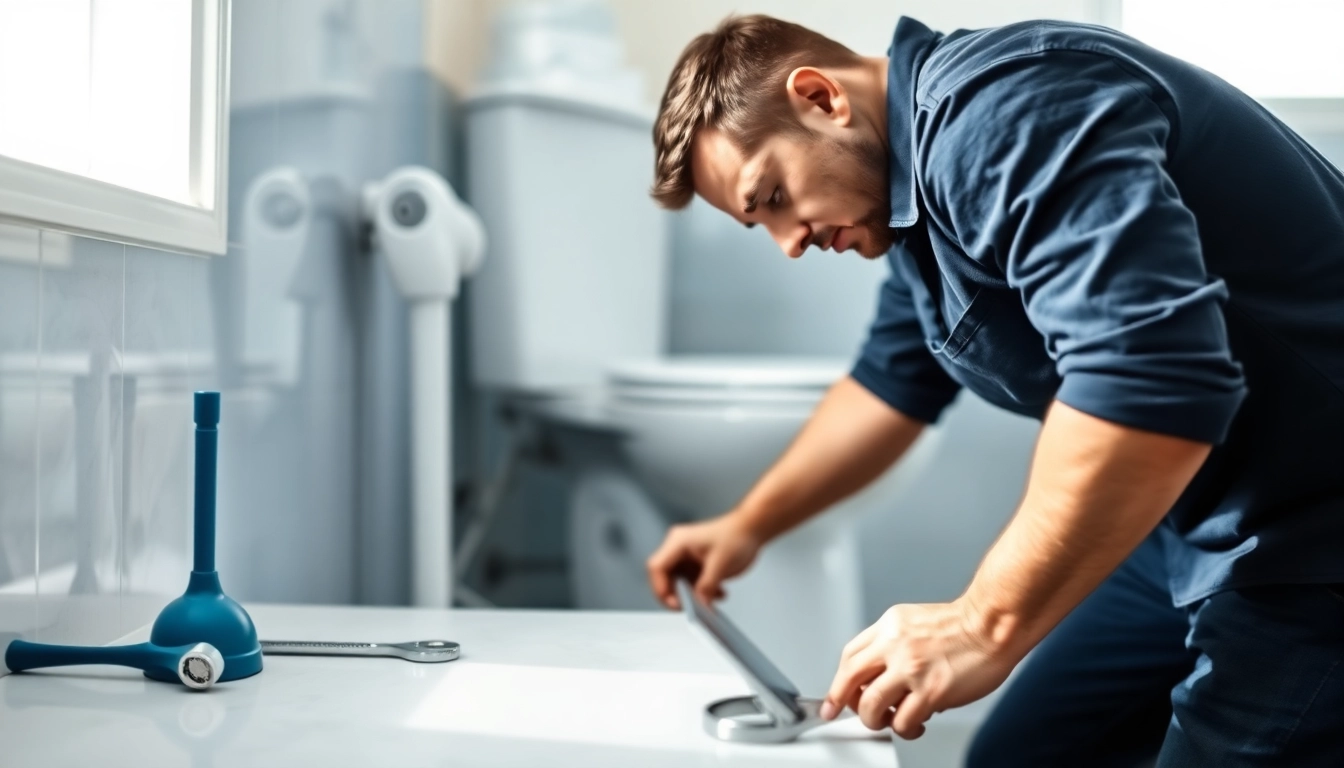
Equipping yourself with the right tools is paramount for effective toilet repair. Here is a list of essential plumbing tools you may need:
- Plunger: An essential tool for clearing clogs.
- Adjustable Wrench: Used to tighten or loosen nuts and bolts.
- Screwdriver Set: For various screws on the toilet tank and bowl.
- Bucket: Useful for catching any spilled water or residual water from the tank.
- Towel/Rags: For clean-up and to wipe up any spills.
Safety Equipment Considerations
When performing repairs, safety should always come first. Here are some considerations:
- Gloves: Wear rubber gloves to protect yourself from bacteria and germs.
- Safety Goggles: Protect your eyes, particularly when using chemicals or plungers.
- Face Mask: Consider wearing a mask if you are sensitive to dust or fumes from cleaning products.
Where to Purchase and Prices
Most plumbing tools and supplies can be found at local hardware stores, big box retailers, or online. Prices can vary widely, but here is a rough estimate:
- Plunger: $5 - $15
- Adjustable Wrench: $10 - $30
- Screwdriver Set: $15 - $50
- Safety Gear: $10 - $20
Step-by-Step Guide to Toilet Repair
Basics of Tank Repair
When performing tank repairs, follow these steps:
- Turn off the water supply to the toilet.
- Flush the toilet to empty the tank.
- Inspect the flapper and replace any worn components.
- Adjust the fill valve if water levels are too high or low.
Fixing Leaks and Drips
Leaks can often be attributed to the following:
- Flush Valve: If this is leaking, you may need to replace the valve.
- Tank-to-Bowl Gasket: This can become dysfunctional over time; replacing it may resolve the issue.
- Base Seal: Check the wax seal for any damage; if found, replace it to prevent water from escaping.
Replacing Worn Components
Components often wear down in toilets, leading to malfunctions, particularly:
- Flapper: This is a common replacement every few years.
- Fill Valve: A malfunctioning fill valve can lead to continuous running.
- Chain Link: Adjust the chain if it’s too tight or too loose for efficient operation.
Advanced Toilet Repair Techniques
Addressing Clogs Effectively
Tackling more persistent clogs may require more than just a plunger:
- Auger: A toilet auger can help break up deeper clogs.
- Drain Cleaning Solutions: Chemical solutions can dissolve clogs; however, use them cautiously.
- Flushing Technique: Using a gravity flush can sometimes dislodge tougher clogs.
Replacing the Entire Toilet
If repair fails, a full toilet replacement may be necessary:
- Shut off the water supply and drain the tank and bowl.
- Disconnect the water line and remove the nuts holding the toilet to the floor.
- Lift the old toilet off and install the new unit onto the wax seal.
- Reconnect water and check for leaks.
Call a Professional: When to Seek Help
Sometimes, complications might be beyond DIY capabilities. This is the time to consider professional help:
- If you’re unable to identify the issue despite troubleshooting.
- When dealing with extensive plumbing repairs affecting multiple areas.
- If you encounter persistent leaks that require specialized knowledge.
Maintenance Tips for Lasting Toilet Performance
Regular Cleaning Habits
Consistent cleaning helps prevent buildup that can lead to corrosion and clogs. Suggested practices include:
- Use a toilet cleaner monthly to keep the bowl clean.
- Scrub regularly to avoid hard water stains.
- Ensure the tank is also clean; mineral buildup can occur there as well.
Inspecting for Wear and Tear
Regularly inspecting toilet components can catch problems early. Focus on:
- Flapper and fill valve every 6 months for wear.
- Check for staining or telltale signs of leakage around seals and gaskets.
Seasonal Maintenance Checklist
At least twice a year, perform a thorough examination of the toilet's performance:
- Check for any unusual sounds or running water.
- Inspect connections and seals at both the tank and base.
- Flush and check for consistent water flow every season.
FAQs
How often should I clean my toilet?
Regular cleaning every week is ideal, with deeper cleans monthly to prevent stains and buildup.
What causes a toilet to run continuously?
A running toilet is typically due to a faulty flapper, float, or fill valve, which allows water to leak into the bowl.
Do I need a plumber for every toilet issue?
Not necessarily. Many minor issues can be fixed by homeowners. Complex problems may require professional assistance.
How can I prevent toilet clogs?
Limit paper use and avoid flushing foreign objects. Regular maintenance can also help prevent clogs.
What should I do if my toilet is leaking?
Identify the source of the leak and check seals. If needed, replace worn components or call a plumber.